

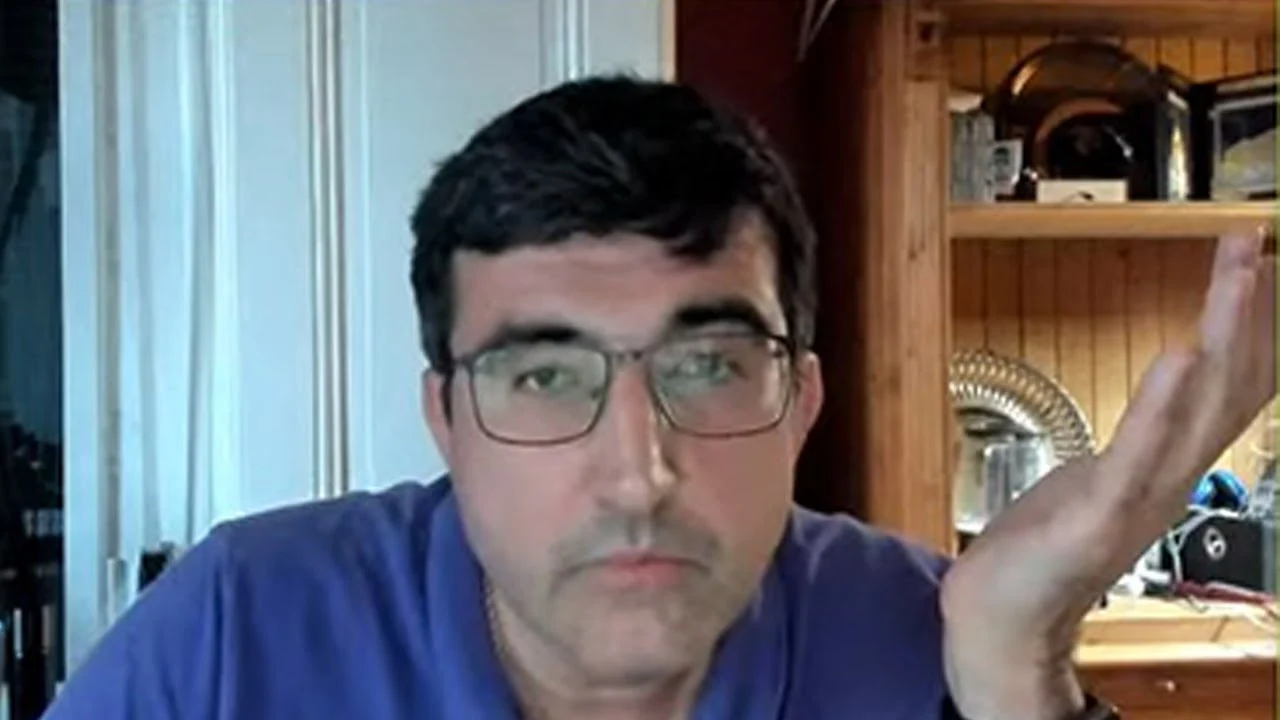
FIDE’s two-year ban of the 14th World Champion addresses a history of controversial online accusations, yet Russian chess figures have swiftly unified in his defense.
Vladimir Kramnik, the 14th World Champion, has reached a critical turning point in his post-professional career. Known in recent years for his highly public and relentless online campaign against cheating, Kramnik has been handed a two-year tournament ban by the International Chess Federation (FIDE).
FIDE’s Ethics Commission cited a range of issues, including online harassment, behavior detrimental to human dignity, and a refusal to cooperate with the FIDE Fair Play Commission. Along with the suspension, Kramnik was ordered to complete 12 months of unpaid community service. Given the persistence of his unverified public accusations and the impact they have had on the online chess community, many international observers believe the Ethics Commission’s ruling was actually quite measured, if not lenient.
A Controversial Campaign
The catalyst for FIDE’s intervention was Kramnik’s long-standing practice of publicly targeting other players. In late October 2025, 29-year-old American grandmaster Daniel Naroditsky tragically passed away. Prior to this, Kramnik had repeatedly pointed to Naroditsky in his cheating allegations, contributing to a tense online environment. The tragedy brought wider attention to the real-world pressure generated by Kramnik’s public campaigns.
Despite the suspension, Kramnik, who currently resides in Switzerland, remains defiant. He has dismissed the ruling, compared his outsider stance to that of the Soviet singer Vladimir Vysotsky, and announced a detailed appeal. He also continues to express his skepticism toward major platforms, famously suggesting that Chess.com be renamed “Cheat.com.”
The Russian Chess Establishment Aligns
Rather than distancing themselves from Kramnik’s controversial methods, the Russian chess community has rallied behind him with notable unanimity. In comments to domestic media, prominent Russian grandmasters expressed unwavering support, a response that reflects how closely the Russian Chess Federation aligns with official state perspectives.
This political insulation is not new; following its suspension from the European Chess Union (ECU), the Russian Chess Federation officially transferred to the Asian Chess Federation, cementing its break from Western-aligned sporting bodies. In the current political climate, Russian sports figures frequently present a united front, often interpreting international disciplinary actions against their citizens as biased or politically motivated.
Anatoly Karpov, the 12th World Champion:
“Suspending Kramnik is a foolish decision… I absolutely support his position. The FIDE commission is acting arbitrarily.”
Karpov’s defense of Kramnik fits within a broader tendency to question the authority of international sports governing bodies when their decisions impact Russian players.
Alexander Grischuk, Three-time World Blitz Champion:
“There was an organized, large-scale campaign against Vladimir Kramnik, and the FIDE Ethics Commission decided to join in… This decision is entirely uncalled for.”
Other notable players, such as Valentina Gunina and Alexander Ryazantsev, echoed these thoughts, portraying Kramnik as a well-meaning reformer who has been unfairly penalized.
Balancing Ethics and Sport
This collective defense highlights the challenges within Russian sports organizations, where independent views rarely diverge from the official line. By framing a disciplinary case involving online conduct as an unfair attack on a Russian champion, the domestic establishment appears to prioritize solidarity over standard sporting ethics.
Ultimately, FIDE’s decision was not an act of conspiracy, but a necessary step to address behavior that has disrupted the chess community for years. While the Russian chess establishment continues to defend Kramnik, the international community hopes this suspension will encourage a return to professional and respectful standards of conduct across the game.