
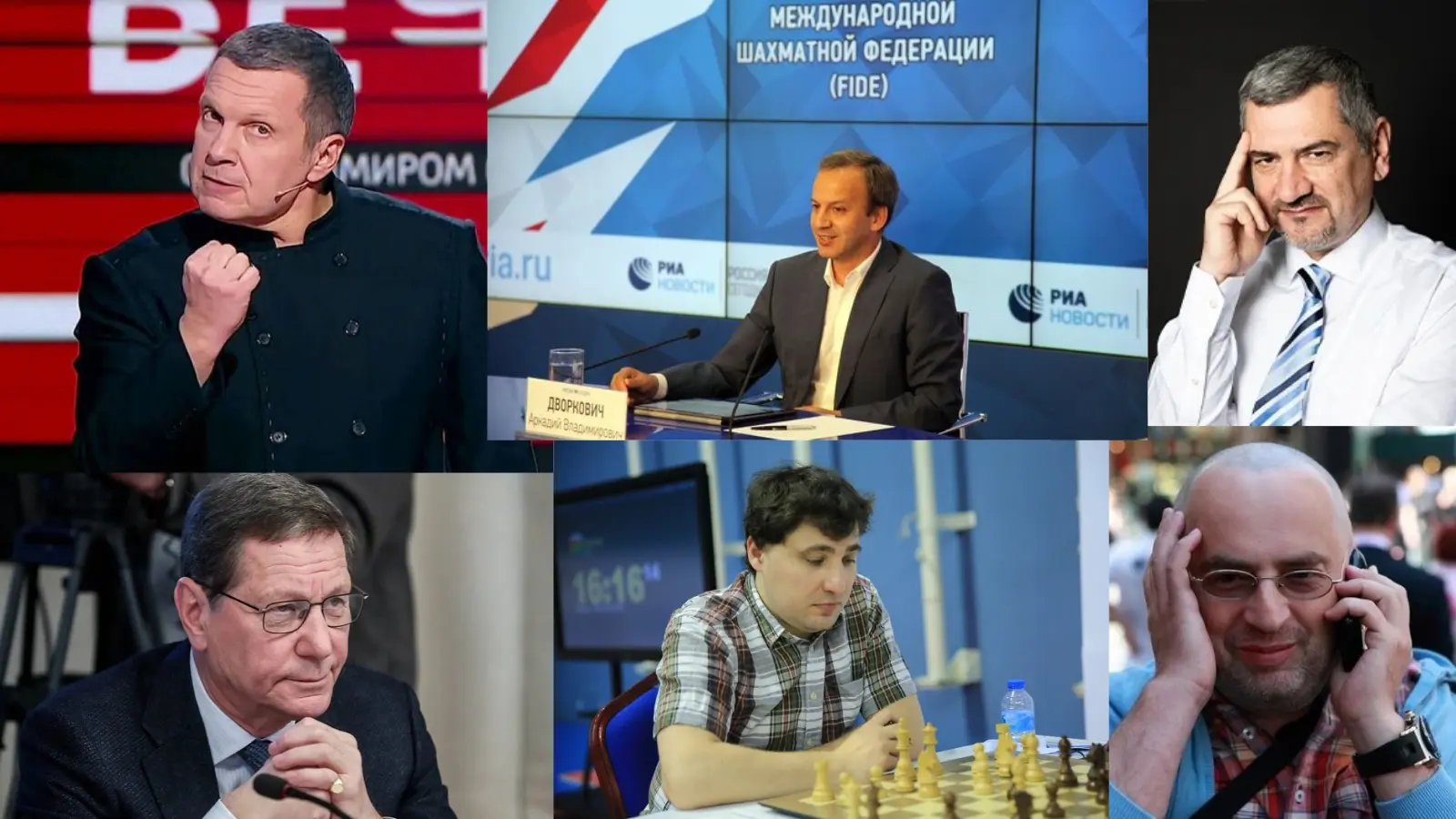
An organization founded by Arkady Dvorkovich’s mother, whose presidium included senior Russian politicians, a prominent Kremlin propagandist and a banker who later held a senior position in FIDE – and which made payments to FIDE’s Executive Director.
Our previous article, “New Faces, Old Russian Connections: The Dvorkovich Network Lives On at FIDE,” showed how several figures from Arkady Dvorkovich’s administration and political network retained influential positions within the federation after the change of leadership.
But the connections go beyond personnel. A closer look at the Russian Ladya Foundation reveals another layer of that network, one involving political connections, senior FIDE officials and substantial financial transactions.
The connections surrounding Russia’s Ladya Foundation raise serious red flags over conflicts of interest and financial transparency at the highest levels of international chess.
A Foundation Presidium of Russian Power Brokers
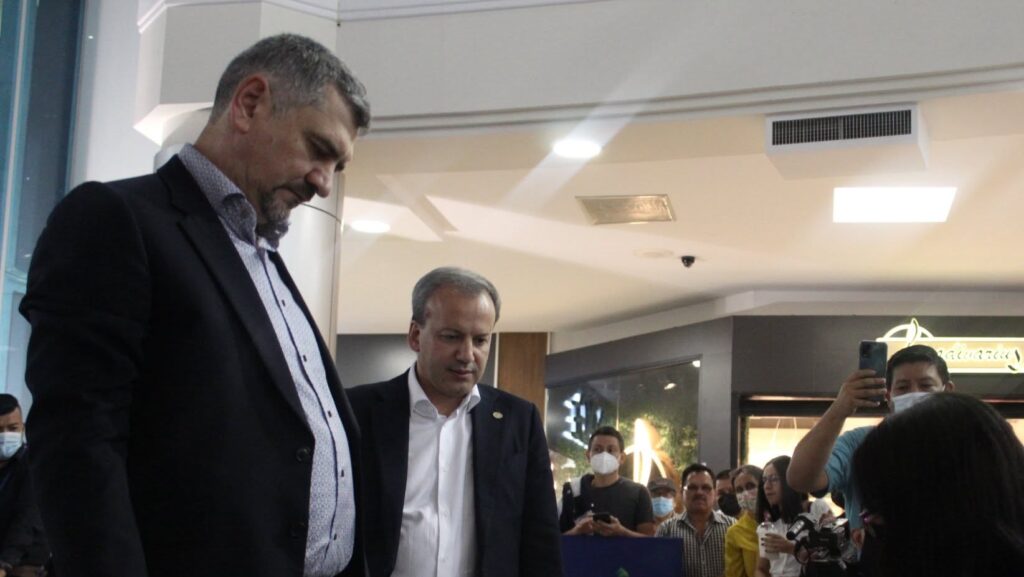
A report published by RBC on 15 May 2019, based on material submitted to Russia’s Ministry of Justice, identified seven members of the Ladya Foundation’s presidium. The list included several prominent figures from Russian political, media and financial circles: Alexander Zhukov, Arkady Dvorkovich, his wife Zumrud Rustamova, television presenter Vladimir Solovyov, Nordea Bank executives Irina Mamhegova and Igor Kogan, and Stanislav Voskresensky, then governor of Ivanovo Region.
This was hardly an obscure group of individuals with no connection to the Russian establishment.
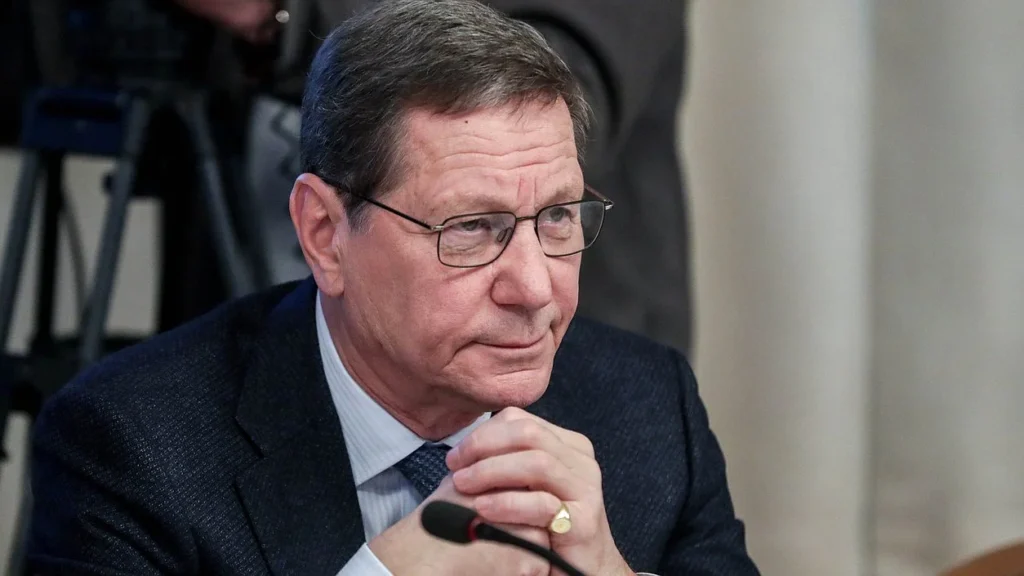
Alexander Zhukov was a former Deputy Prime Minister of Russia, First Deputy Chairman of the State Duma and President of the Russian Olympic Committee from 2010 to 2018. The International Olympic Committee suspended him in December 2017 amid the fallout from the Russian state-sponsored doping scandal surrounding the Sochi Winter Olympics. He was later included on Western sanctions lists. The EU cited his role as a State Duma member who supported the annexation of Ukrainian territories through the ratification of treaties incorporating occupied regions into Russia.
Arkady Dvorkovich needs little introduction. A former Deputy Prime Minister of Russia, he became FIDE President in 2018. In July 2026, the European Union placed him on its sanctions list, citing his support for policies undermining Ukraine’s territorial integrity, including his public statements concerning Crimea and occupied Ukrainian territories.
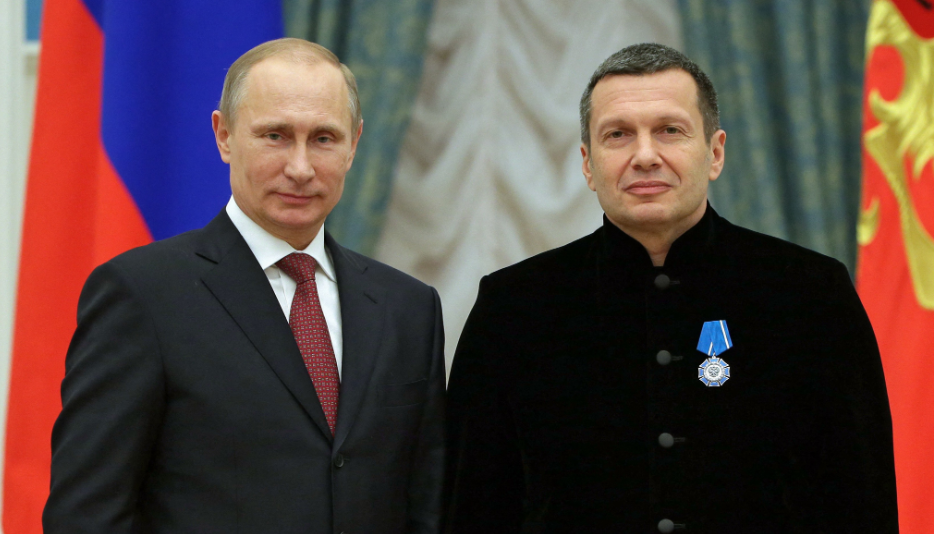
Vladimir Solovyov was another member of the presidium. The notorious propagandist is one of the most prominent figures on Russian state television and is internationally known for his aggressive pro-Kremlin rhetoric and repeated support for Russia’s war against Ukraine. He repeatedly called on Putin to launch pre-emptive strikes on the West, including a missile attack on British Parliament. The European Union and the United Kingdom have sanctioned him. His properties in Italy, reportedly worth millions of euros, were frozen under EU sanctions, a particularly striking detail given his frequent attacks on the West and its values.
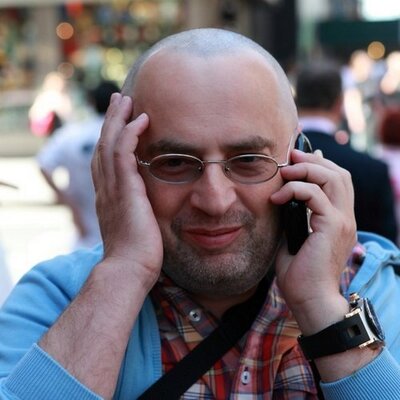
The financial connection is also worth examining. Igor Kogan, a Russian banker and former head of the board of Nordea Bank in Russia, served on FIDE Management Board from 2018 to 2022. Nordea itself has faced serious scrutiny over deficiencies in its anti-money-laundering controls. Kogan and Mamhegova were named in connection with the Panama Papers scandal. Kogan was a major shareholder in BystroBank, which was sanctioned by the EU and the United States. Kogan’s presence on the Ladya presidium, alongside his senior banking and FIDE positions, adds another significant connection to the picture.
The presence of these individuals shows that Ladya’s leadership brought together people with substantial political, institutional, media and financial influence in Russia. For an organization that later channeled substantial sums to a senior FIDE official Viktor Bologan, the composition of its governing body is hardly irrelevant.
The Dvorkovich-Martynov Connection
In the years following Arkady Dvorkovich’s election as FIDE President in 2018, several individuals connected to his political and chess networks assumed important positions within the federation.
One of them was Aleksandr Martynov.
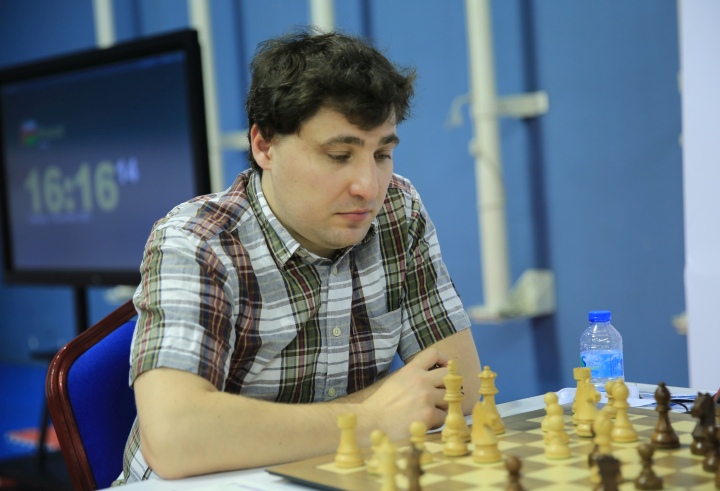
Martynov was deeply involved in Dvorkovich’s 2018 presidential campaign. He subsequently became FIDE Legal Advisor, later serving as FIDE Legal Director. In March 2021, he took another position: General Director of the Russian Ladya Foundation.
The foundation itself has an interesting history. Originally established as the Foundation for the Support of Chess Creativity, it was founded by Galina Dvorkovich, Arkady’s mother.
EXCLUSIVE: FIDE Executive Director Viktor Bologan Holds a Russian Passport
But there is another significant detail about Bologan that we have now uncovered.
Viktor Antonovich Bologan holds a Russian passport issued in 2022, just weeks before Russia launched its full-scale invasion of Ukraine. The passport is valid for ten years.
The documentation also identifies a Russian taxpayer id in his name, alongside bank accounts held in Russia. We have deliberately withheld personal identification numbers and other private information contained in the records.
This is a significant new revelation. Bologan is not simply a former Moldovan politician with professional contacts in Russia.
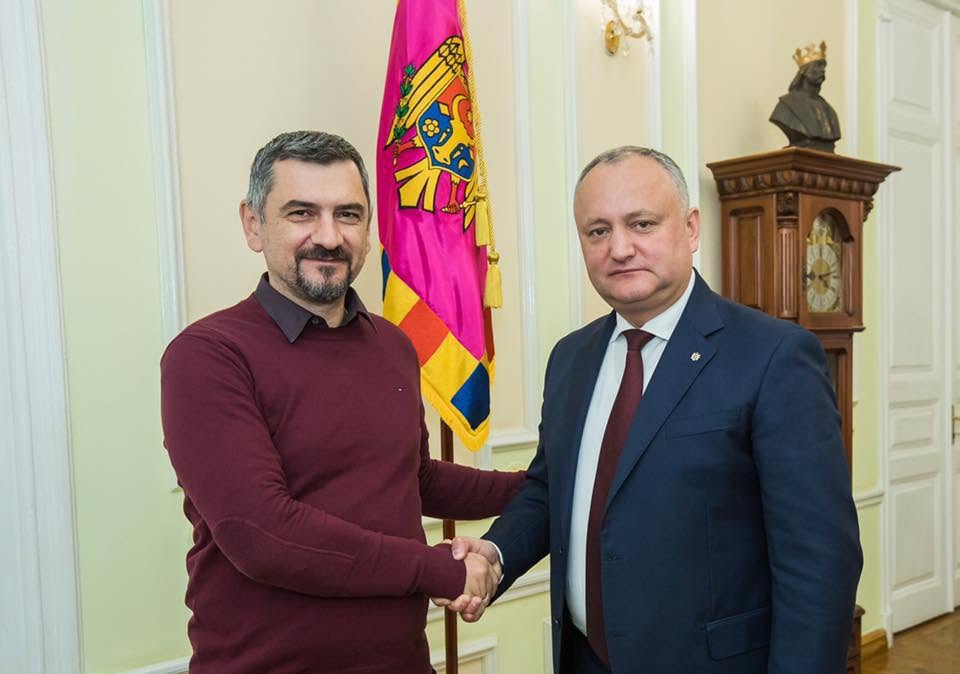
He is yet another senior FIDE official holding Russian citizenship, adding to the already substantial presence of people with Russian political and institutional connections in the federation’s leadership.
The timing is particularly striking. Bologan’s Russian passport was issued shortly before the invasion of Ukraine. Why did a senior official of an international sports federation acquire Russian citizenship at precisely that moment? And what has FIDE been told about these connections?
€120,000 for Chess Lessons
As we reported in our previous article, Viktor Bologan, in his capacity as FIDE’s Executive Director, received €20,000 from the Ladya Foundation for chess lessons.
He received another €80,000 from the Ladya Foundation in 2020, for the same purpose. A bit expensive for chess lessons, right?
Most curious of all, the payments from the Ladya Foundation to Bologan were channeled through a FIDE account. Perhaps receiving rubles directly from Russia was a bit inconvenient while serving as a Member of Parliament in Moldova.
In other words, the head of a foundation connected to Dvorkovich’s network was also a senior FIDE legal official, while the foundation was making payments to FIDE’s Executive Director through FIDE itself.
This is not an ordinary collection of unrelated names. It is a documented overlap of political connections, institutional positions and financial relationships.
The Price of Demanding Transparency?
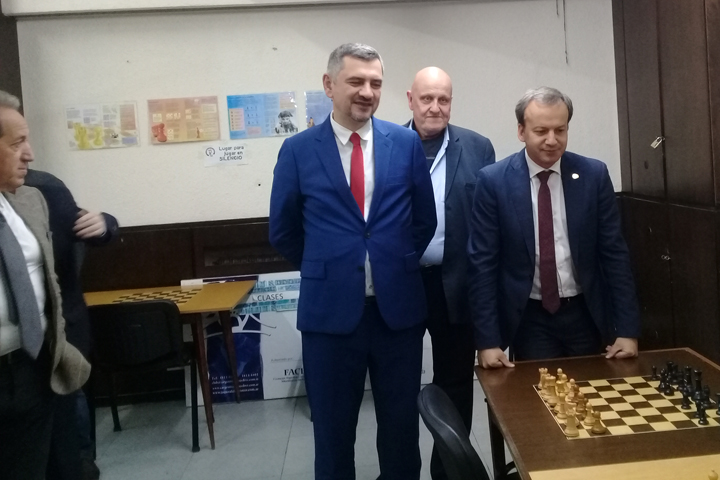
Margaret Murphy, then President of the US Virgin Islands Chess Federation and a member of FIDE’s Verification Commission, was among the most persistent voices demanding financial accountability within FIDE. She questioned payments connected to Viktor Bologan’s programme, raised concerns about Nigel Short’s travel expenses and challenged the lack of adequate supporting documentation for certain FIDE expenditures.
What followed was a bitter institutional battle over control of her own federation. Martynov, General Director of the Russian Ladya Foundation, personally led this campaign of retaliation from the position of FIDE Legal Advisor. In May 2025, FIDE appointed a so-called Reverse Delegate to the USVI Chess Federation. The federation challenged the legality of the appointment, arguing that the required procedures had not been followed and that it had been denied the opportunity to defend itself before the FIDE Council. In August, the Reverse Delegate organized a new election which, according to the federation, was later declared invalid in a report by FIDE’s own Constitutional Commission. Nevertheless, in October 2025, the FIDE Council recognized the new leadership, despite the federation’s request to be heard. In a separate dispute over who had the authority to represent the federation, Murphy’s side also secured a conditional preliminary injunction from the Superior Court of the Virgin Islands in May 2025.
The timing and circumstances surrounding these events are deeply troubling and demand serious investigation. Did a person who had insisted on financial accountability within FIDE later lose control of her own national federation following intervention by people from that same organization?
Ultimately, who controlled the money? Who approved the payments? What was their purpose? How was the money spent? And what safeguards were in place to prevent conflicts of interest?
These are questions that FIDE, Turlov, Bologan and Martynov should answer immediately. In our view, they cannot continue to be part of FIDE administration if any governance or ethical standards still apply within the organization.
Our next investigation will focus on the notorious Freedom Holding.