
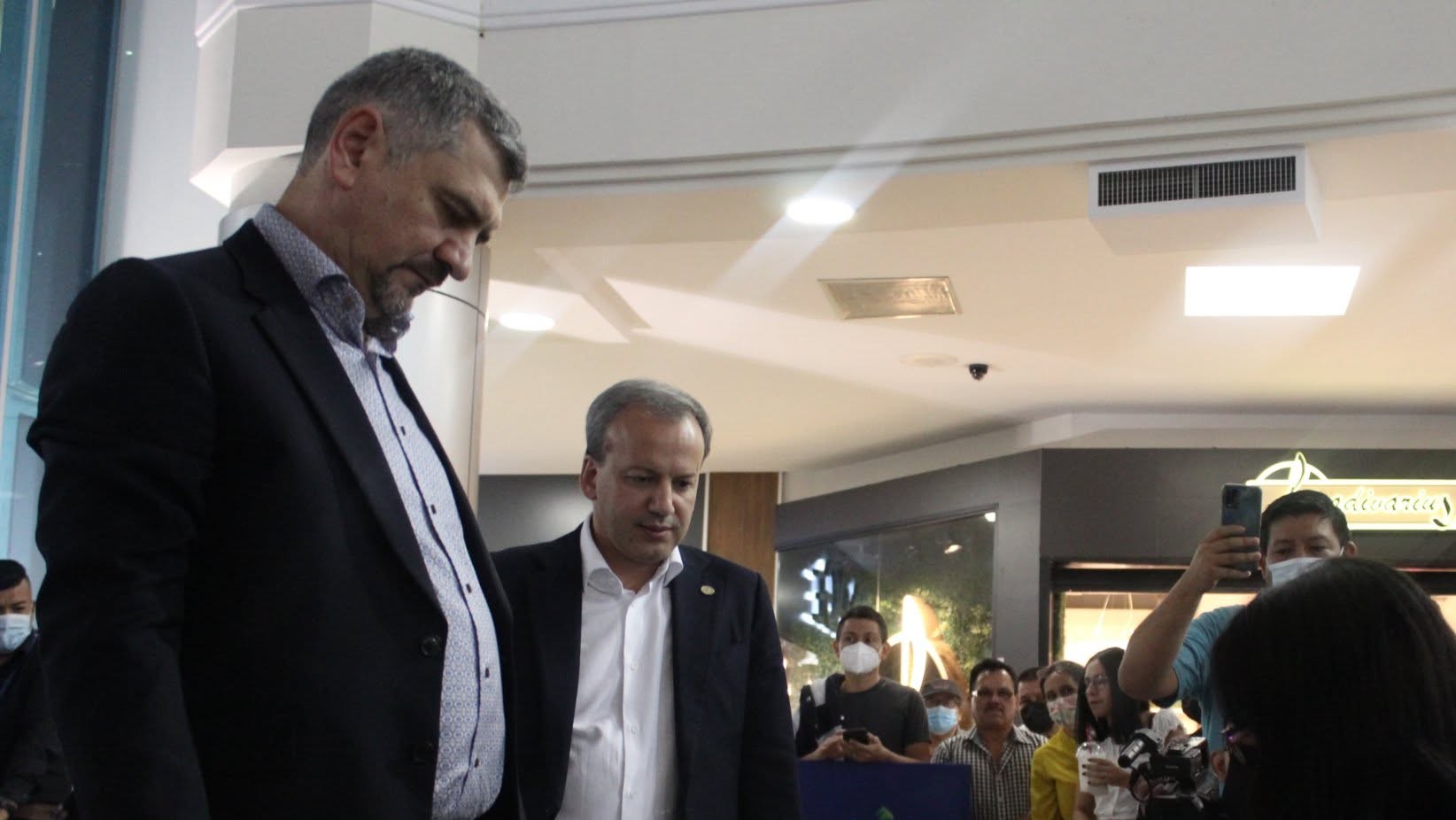
Timur Turlov promised a new era for world chess. Yet the continued presence of Viktor Bologan, a key figure in Arkady Dvorkovich’s administration, suggests that the old network remains firmly embedded in FIDE.
When Timur Turlov took over as FIDE President, the change in leadership was presented as an opportunity for renewal. A new president, a new administration and a promise of a different approach were expected to mark a break with the era of Arkady Dvorkovich.
But a change at the top does not necessarily mean a change in the people, relationships and practices that shape an organization.
One particularly telling example is Viktor Bologan, the Moldovan grandmaster and former FIDE Executive Director. Bologan served in a senior administrative role under Dvorkovich and remains part of FIDE’s administrative structure under the new leadership.
His continued presence puts the extent of the promised renewal under scrutiny: has FIDE genuinely moved on from the Dvorkovich era, or has much of the old establishment simply adapted to a new president?
Bologan’s political background, his relationship with Dvorkovich, the circumstances surrounding a €120,000 contract with a Russian chess foundation, and allegations concerning his involvement in FIDE election campaigning all deserve closer examination.
New Leadership, Familiar Faces
Turlov’s arrival was accompanied by expectations of a fresh start. Yet the continued involvement of people who occupied influential positions under Dvorkovich makes it difficult to describe the transition as a clean break.

Bologan is an especially significant example. As FIDE Executive Director, he occupied a senior position within the organization and was part of the administrative structure during Dvorkovich’s presidency.
His continued role under Turlov illustrates the difference between changing the person who holds the presidency and changing the institutional network surrounding that office.
There is nothing inherently improper about retaining experienced administrators after a change of leadership. Continuity can be valuable. But when an organization promises renewal, it is reasonable to examine whether the people who helped shape the previous administration are still exercising influence, and whether the new leadership has addressed the controversies associated with that period.
In Bologan’s case, the questions go beyond administrative continuity.
A Moldovan Politician in Russia’s Political Orbit
Bologan is not only a chess administrator. Between February 2019 and July 2021, he was a member of Moldova’s Parliament, elected on the national list of the Party of Socialists of the Republic of Moldova (PSRM).
He sat in the Socialist parliamentary faction and served on the Committee for Foreign Policy and European Integration. The PSRM was closely associated with former Moldovan President Igor Dodon and advocated tighter relations with Russia.
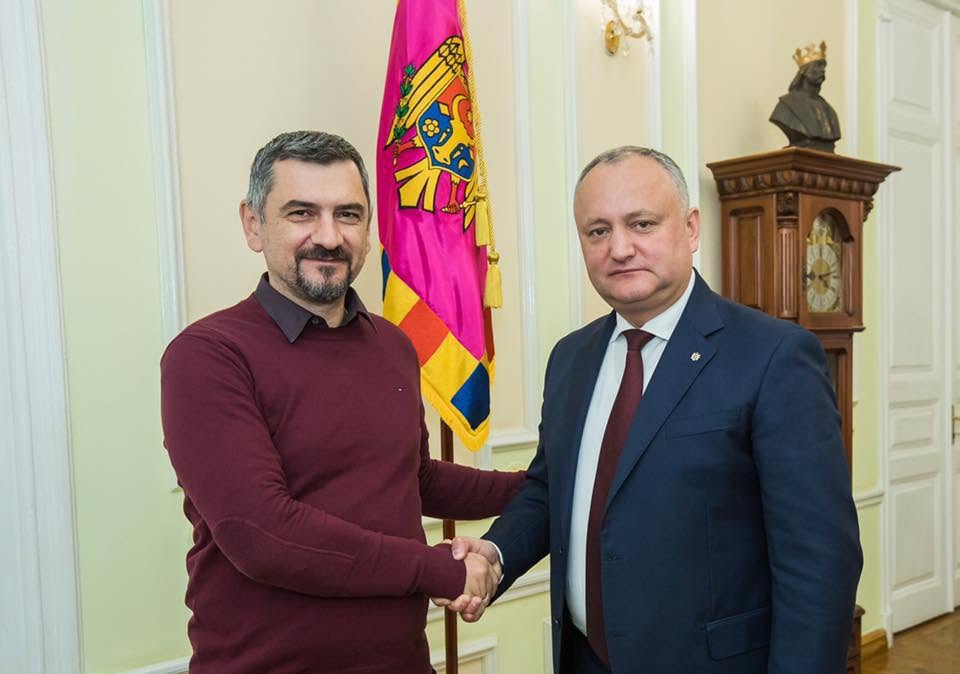
Bologan’s political affiliation is a matter of public record. He disclosed accounts in Russian banks. It is relevant when examining the relationships and responsibilities of someone simultaneously holding a senior position in an international sports organization.
In a March 2021 interview with Sputnik Moldova, Bologan said that he had consulted Arkady Dvorkovich before accepting his parliamentary position. At the time, Dvorkovich was FIDE President and Bologan’s principal employer.
That statement is significant because it confirms that Bologan discussed his entry into national politics with the head of the international organization where he held a senior executive position.
This demonstrates the close professional relationship between the two men and highlights the potential overlap between Bologan’s political and FIDE responsibilities.
Bologan did not return to Parliament after the early elections in July 2021.
A €120,000 Contract for “Chess Lessons” – and Questions About What Was Actually Delivered
The financial arrangements surrounding Viktor Bologan’s programme deserve careful review.
He was paid €120,000 through FIDE account by an undisclosed “sponsor”.
Our research has revealed that the “sponsor” in question is Russian entity Ladya Foundation and the sum was paid in rubles.
The “agreement” reviewed by the FIDE Verification Commission did not specify a timeframe: €40,000 was paid in 2019 and a further €80,000 in 2020. FIDE Legal stated that all contractual obligations had been fulfilled and that the contract had therefore ended in 2020.
The stated purpose of the agreement was “chess lessons”. That description makes the scale of the payments particularly difficult to assess. What exactly was delivered in return for €120,000? How many lessons were provided, over what period, to how many students, and by whom? Where are the teaching schedules, attendance records, reports or other documentation demonstrating that the services were actually performed?
The available material does not establish that the lessons ever took place. Nor does the financial explanation from FIDE Legal provide evidence of their delivery. In the absence of published records documenting the programme’s activities, the public cannot independently assess whether the services corresponded to the sums paid.
The amount itself also calls for an explanation. €80,000 in a single year for chess lessons is a substantial sum, particularly when the public record does not clearly establish the volume of teaching involved or the number of people who benefited. The question becomes even more pertinent when Bologan’s other professional and political responsibilities are taken into account. During this period, he was serving as a member of Moldova’s Parliament while also holding the position of FIDE Executive Director. Both are substantial commitments. How much time did the chess-teaching programme require, and how was it possible to fulfil all these responsibilities alongside one another?
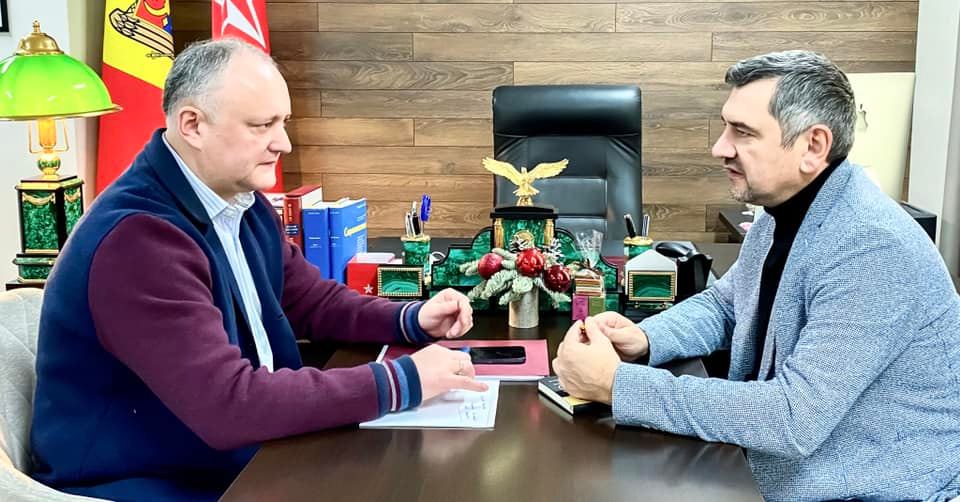
There is a further governance concern. FIDE’s own Verification Commission had previously examined the €120,000 arrangement and reported that, because the programme was not established as a separate legal entity, the money was paid directly into Bologan’s personal bank account. The Commission warned: “We believe such arrangements are fraught with problems and should be avoided.” It stressed that even in the absence of proven misconduct, such a structure creates the appearance of self-dealing and potentially inappropriate influence.
These facts do not, by themselves, establish that the contract was a disguised political payment. But they point to a more fundamental issue: Was the €120,000 genuinely payment for a properly delivered chess-education programme, or did the contract serve another purpose?
That question is particularly relevant in light of Bologan’s political and professional relationship with Arkady Dvorkovich. Bologan has acknowledged that he consulted Dvorkovich before accepting his parliamentary position, while he was also working as FIDE Executive Director. Dvorkovich was, of course, the candidate whose 2018 FIDE presidential campaign Bologan has been alleged to have assisted.
The timing, the scale of the payments, the vague public record of the services delivered, and the direct payment into Bologan’s personal account demand a clear explanation.
FIDE should publish the contract, including its date and signatories; identify the precise obligations attached to the “chess lessons”; provide records demonstrating how those lessons were delivered; and explain the basis on which the €120,000 fee was calculated. It should also clarify the foundation’s identity, funding and relationship with the programme.
Until those questions are answered, the €120,000 arrangement remains more than an accounting curiosity. It is a serious test of FIDE’s financial transparency and of whether the organization has genuinely moved away from the practices associated with the previous administration.
A FIDE Executive Who Was Also a Campaign Operative?
Questions about Bologan’s relationship with Dvorkovich are not limited to their professional cooperation inside FIDE.
During the controversy surrounding the 2022 FIDE presidential election, Danish grandmaster Peter Heine Nielsen publicly alleged that Bologan had travelled and campaigned alongside Dvorkovich, both during the 2018 election campaign and again in Latin America in 2022.
These allegations raised an important issue: whether a senior FIDE executive was acting as a neutral administrator or participating in the political campaign of a presidential candidate.

The distinction matters. FIDE’s senior officials are expected to serve the organization, not individual candidates. Their positions, access to resources and institutional influence should not become instruments of electoral campaigning.
There have also been concerns about the possible use of FIDE resources to support campaign-related travel. No disciplinary finding against Bologan on this matter has been established.
Still, the allegations deserve a transparent response. If Bologan travelled in connection with Dvorkovich’s campaign, who organized and paid for those trips? Were they undertaken in his capacity as a FIDE official, as a campaign supporter, or in some other role?
FIDE should address these concerns by publishing travel records, expense reports and a clear account of the responsibilities Bologan held during the election period.
Suspended on Paper, Present in Practice
The question of continuity within FIDE has become even more important in light of the developments surrounding Dvorkovich himself.
On 23 July 2026, Dvorkovich was added to the European Union sanctions list as part of the EU’s 21st sanctions package. Following the decision, he announced the suspension of his presidential powers and duties at FIDE.
The FIDE Council accepted this arrangement, with Viswanathan Anand serving as Interim President. The Council’s statement was explicit: during the period of sanctions, Dvorkovich would not exercise the responsibilities, duties, rights or prerogatives of the FIDE presidency.
Yet doubts about the extent of his continuing influence have not disappeared.
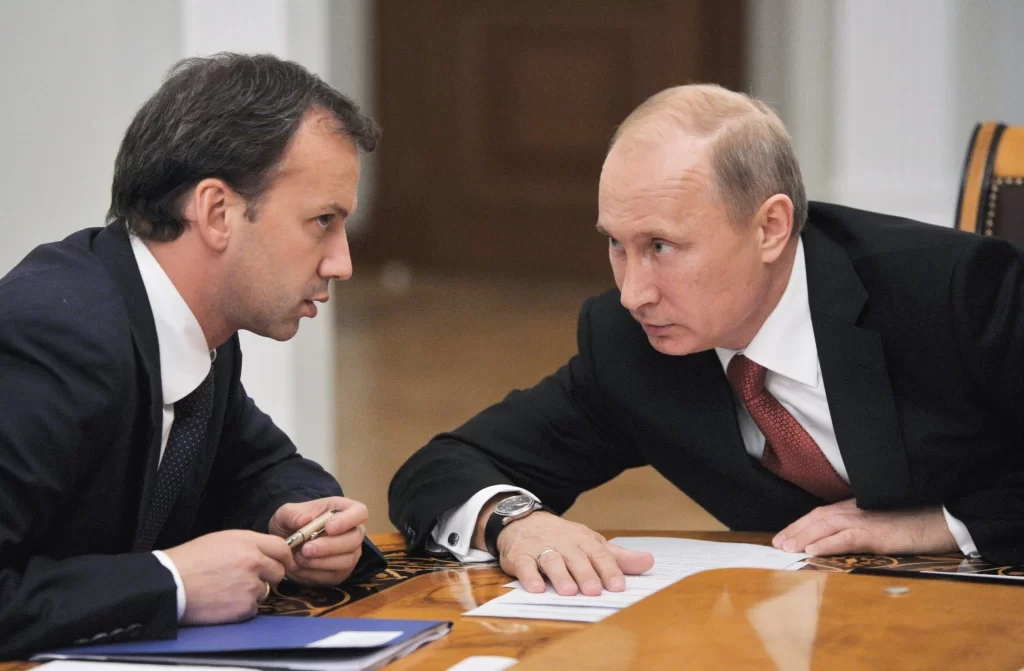
At the FIDE World Junior Rapid and Blitz Championships in Al Ain, United Arab Emirates, in November 2026, Dvorkovich appeared at an official FIDE event and took part in the opening of a round. His presence was documented in video and photographs from the championship.
Grandmaster Peter Heine Nielsen subsequently argued that Dvorkovich still appeared to be running FIDE in practice, describing Timur Turlov as the de jure president and Dvorkovich as the de facto power behind the organization.
An organization cannot convincingly claim that a president has stepped aside while leaving the public uncertain about who is actually making its decisions.
From One Sanctions Problem to Another
FIDE’s leadership transition has also attracted scrutiny because of the sanctions imposed on Turlov himself.
Turlov has been subject to Ukrainian sanctions since October 2022. Those sanctions are distinct from the EU sanctions imposed on Dvorkovich in July 2026.
The controversy surrounding Turlov’s leadership has been further intensified by his appointment of Mykhailo Podolyak, a powerful adviser to the Ukrainian President’s Office, as a FIDE Vice President.
The Ukrainian Chess Federation reacted furiously. It stated that it had neither been consulted nor asked to nominate a Ukrainian representative to Turlov’s team, and explicitly denied authorizing Podolyak to represent the federation. The UCF described the move as an unprecedented development in chess history and accused Turlov and Podolyak of attempting to bypass the national federation.
The shock was considerable: a senior figure in the Ukrainian President’s Office had accepted a leadership position in an international federation headed by a businessman under Ukrainian sanctions, without consulting the country’s national chess federation. The UCF even threatened legal action if its demands were ignored.

This creates an uncomfortable context for FIDE. Its current president is subject to Ukrainian sanctions, while his predecessor has been placed under EU sanctions and has publicly suspended his presidential powers.
Against that background, retaining senior figures from the previous administration without a clear explanation of their roles and responsibilities does little to reassure those who expected a genuine institutional reset.
New Faces Are Not the Same as New Leadership
The case of Viktor Bologan illustrates a wider problem facing FIDE.
His political career in Moldova, his relationship with Dvorkovich, the €120,000 Ladya Foundation contract, the uncertainty surrounding the delivery of the chess lessons, and the allegations concerning his involvement in presidential campaigning all form part of a record that deserves transparent examination.
None of these issues should be presented as proof of criminal conduct or financial misconduct where no such finding exists. Bologan has not been shown to have been convicted of an offence or formally found guilty of wrongdoing in these matters.
But the absence of a disciplinary finding does not mean that all outstanding matters have been resolved.
The central issue is institutional accountability. FIDE should explain why an executive associated with the previous administration continues to hold an important role, disclose the documentation behind the €120,000 contract, clarify the services delivered, and provide a full account of the campaign-related travel and the boundaries between administrative and political activity.
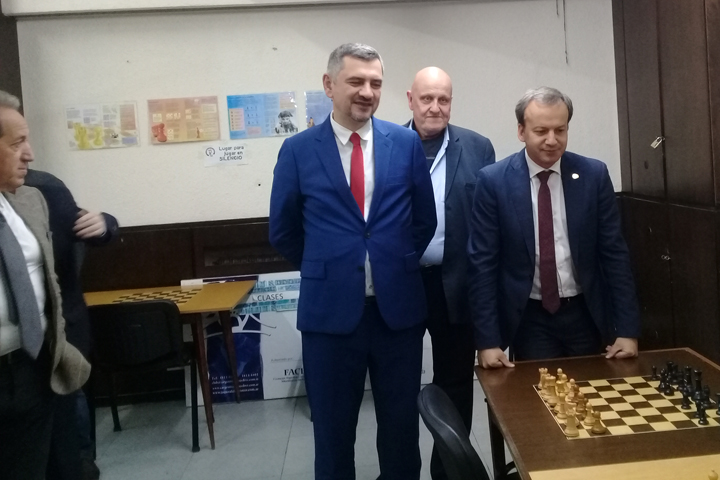
Turlov came to power with the promise of a new era. Yet the continued presence of figures from Dvorkovich’s inner administrative circle, combined with the unresolved questions surrounding the previous leadership, makes that promise difficult to evaluate positively.
Changing the president is relatively straightforward. Changing the culture, the networks and the practices of an international organization is much harder.
For now, FIDE appears to have changed its leadership more decisively on paper than it has changed the establishment behind it.